

A Beginners Guide to Herbs
The information provided here is just an overview to get you started on your herbal learning journey. Each of these herbs brings its own unique healing benefits, making them valuable additions to your wellness routine. However, it’s essential to consult with a healthcare provider before introducing any herbal remedies, particularly if you are pregnant, nursing, or taking medication.

Burdock
Burdock (Arctium lappa) Burdock is a potent root used for its detoxifying and anti-inflammatory properties. It has been used for centuries to purify the blood, support liver function, and promote healthy digestion. Burdock root contains powerful antioxidants, including inulin, which helps regulate blood sugar levels. It is commonly used for skin conditions like acne, eczema, and psoriasis, as it helps to cleanse toxins from the body that may contribute to these issues.
You can use burdock as an extract, or make a decoction by simmering on low 1- 2 tablespoons of dried root in 1- 2 cups of water for 15-30 minutes. Remove from the heat, strain and enjoy 1-2 cups per day. You can also use burdock root powder in capsules or add it to smoothies for a mild, earthy taste.
Note: Burdock is a strong blood purified and should not be used in large doses if there is high toxicity levels in the body as it can cause a healing crisis. Burdock looks very similar to Rhubarb leaves and should not be confused, as rhubarb leaves are toxic. Avoid the burs as they are clingy.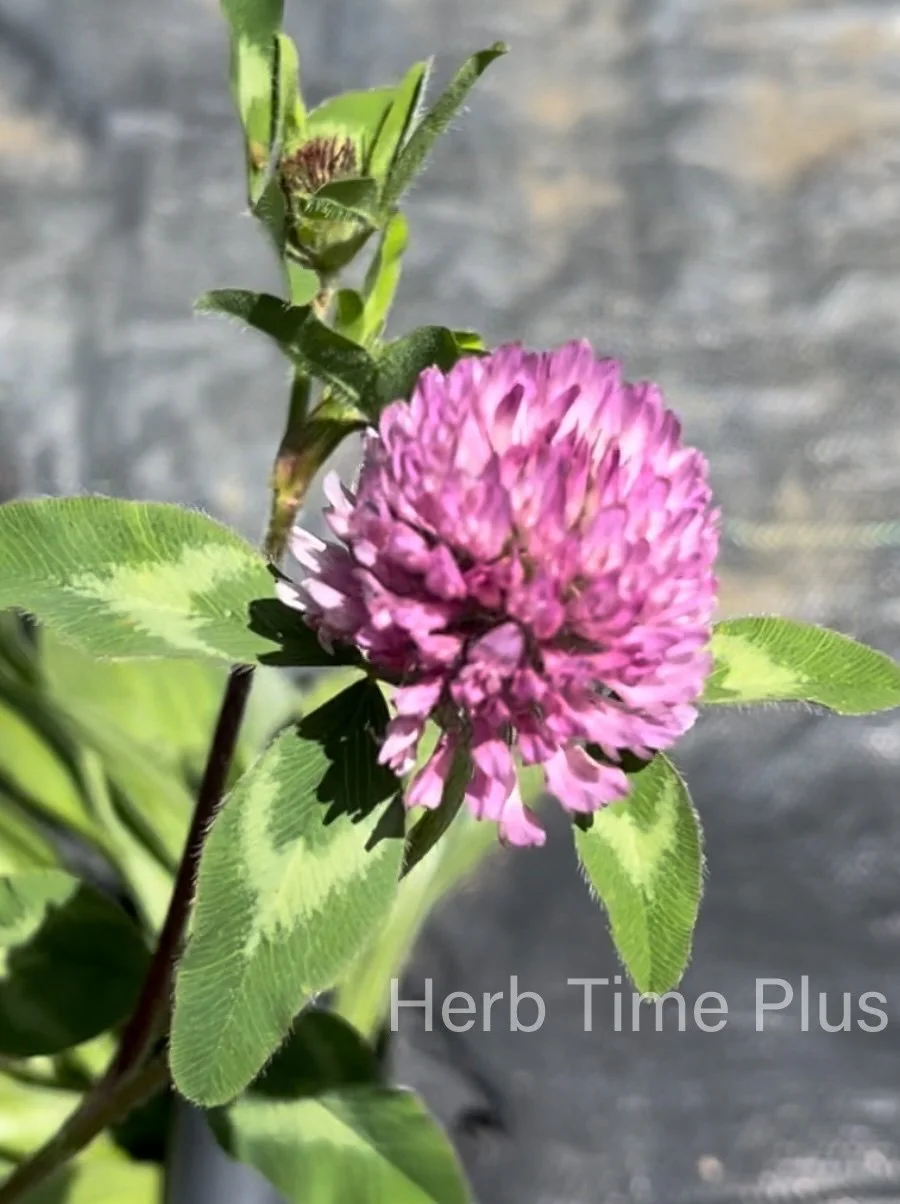
Red Clover
Red Clover (Trifolium pratense) Red clover is a versatile herb known for its ability to support overall health, especially for women. It is rich in isoflavones, plant compounds that mimic estrogen in the body, making it particularly helpful during menopause to alleviate hot flashes and hormonal imbalances. Red clover is also a blood purifier, supporting the detoxification process by promoting the elimination of toxins through the skin and lymphatic system.
To use it, you can steep it into a tea, typically 1-2 teaspoons of dried flowers per cup of hot water. For long-term benefits, a daily infusion can help maintain hormonal health, support the cardiovascular system, and improve skin health. Red clover tea is the best tasting of all the blood purifying herbs. This is one you can get children to drink.
Note: Red clover is not recommended for use during pregnancy due to its detoxifying properties. Do not take prior to surgery.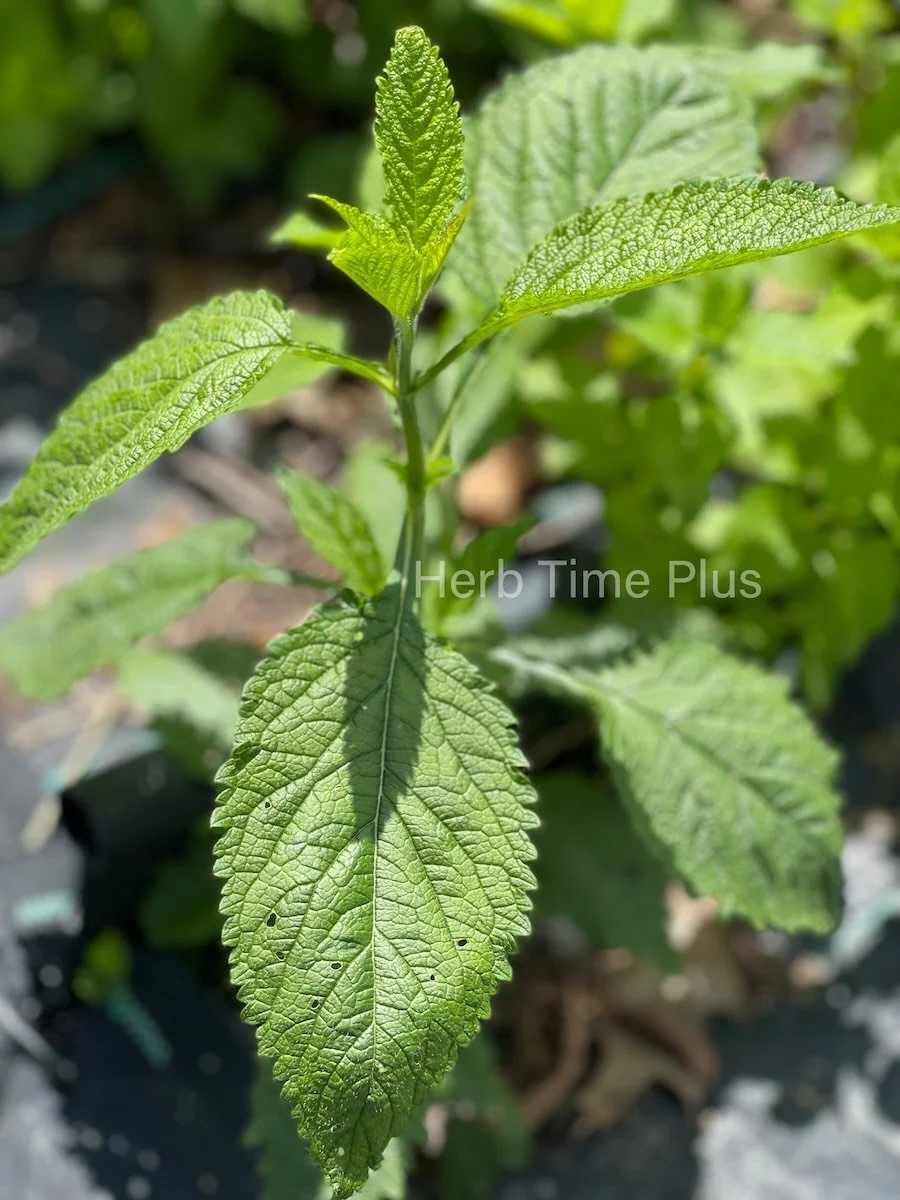
Nettle
Nettle (Urtica dioica) Nettle is a nutrient-dense herb that has long been valued for its anti-inflammatory and diuretic properties. It is especially helpful for relieving joint pain and arthritis discomfort, as it helps reduce inflammation in the body. Nettle is also a rich source of vitamins and minerals, including iron, calcium, and magnesium, which support healthy bones, hair, and skin. It is commonly used to support kidney health and as a natural remedy for seasonal allergies (hay fever; although some people have the opposite effect).
Nettle can be taken as a tea by steeping 1-2 teaspoons of dried leaves in hot water, or used as an extract. For a nutritious addition to your diet, you can also incorporate fresh or dried nettle leaves into soups, smoothies, or stews. You can also make an infusion (tea) and add the water to your soups as the base.
Note: Nettle, also known as stinging nettle has been rightly named for the sting you receive if not handling the plant without gloves. Use gloves when harvesting.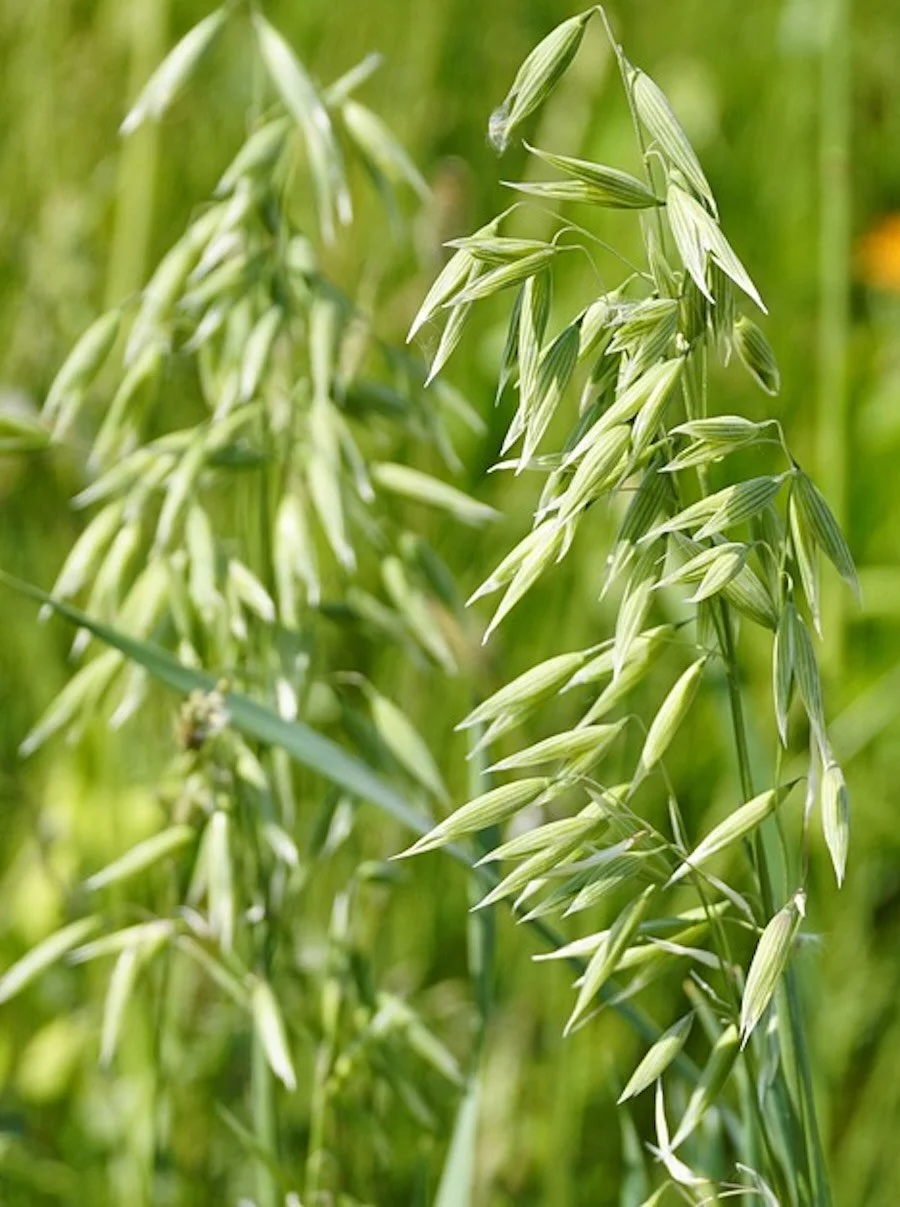
Oat Straw
Oat Straw (Avena sativa) is a gentle, nourishing herb traditionally used to support overall wellness and nervous system balance. It is useful for individuals who have weak nerves who need a tonic to help recover from dis-ease. The greatest benefits are from the plant when it is harvested when the milky substance is present in the grain. Naturally rich in minerals, oat straw is often enjoyed as a daily tonic to promote steady energy, emotional calm, and general vitality. The herb can be used externally for skin inflammations in the form of a compress, poultice or fomentation.It can be prepared as a tea by steeping 1–2 teaspoons of the dried herb in hot water for 10–15 minutes, or as a long infusion by soaking a larger amount in room-temperature water for several hours to extract more of its mineral content. The tea can be taken three times daily.
Note: Oat straw is generally well tolerated; however, individuals with gluten sensitivity should ensure they are using certified gluten-free oat straw, and anyone who is pregnant, nursing, taking medication, or managing a medical condition should consult a qualified healthcare provider before use.
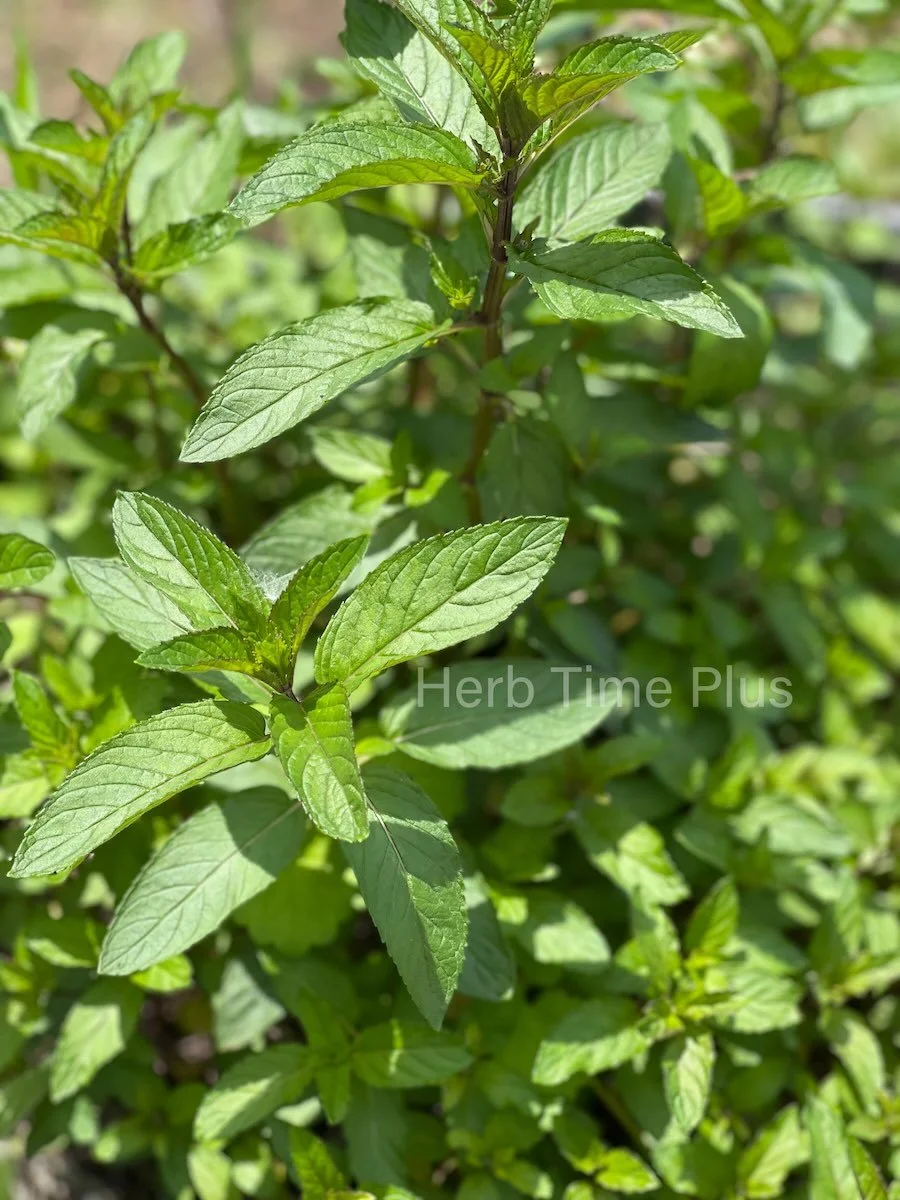
Peppermint
Peppermint (Mentha piperita) Peppermint is widely known for its ability to soothe digestive issues, such as indigestion, bloating, and nausea. The menthol in peppermint helps relax the muscles of the gastrointestinal tract, allowing for smoother digestion and reducing spasms. It also has a cooling and invigorating effect, making it useful for headaches, tension, and even respiratory issues like congestion and sinusitis.
Peppermint tea is the most common way to use this herb, steeping 1-2 teaspoons of dried leaves in hot water. It can also be used in a tincture form, or as an essential oil—diluted and applied topically to the temples or chest for headache relief and respiratory support. Peppermint contains volatile oils, so when steeping the herb, it should be in a jar or container with a tight lid to prevent the steam from escaping as your oils (holding the medicinal properties) will evaporate out with the steam. You want to keep them trapped in the jar until it cools down enough to drink.
Note: This is the case with all of the herbs with volatile oils. Mints should not be used if the body temperature is chilled. Avoid use if having an acute gallstone attack. Do not take if nursing.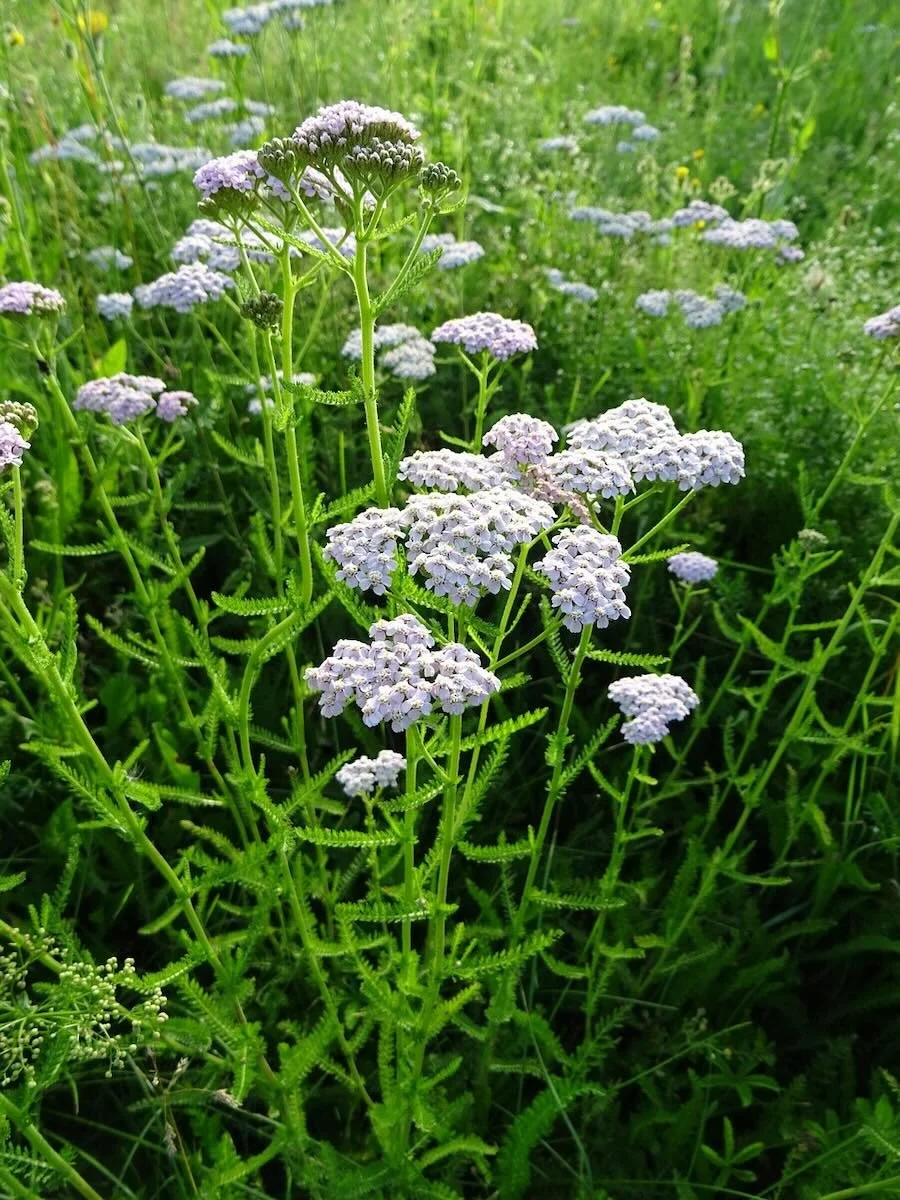
Yarrow
Yarrow (Achillea millefolium) Yarrow is a powerful herb known for its wound-healing properties. It has been used for centuries to stop bleeding and reduce inflammation in cuts, bruises, and other injuries. Yarrow also has antibacterial and antifungal properties, making it an excellent choice for treating infections. Internally, it is beneficial for digestive health, helping with indigestion, gas, and bloating, and is known to reduce fever during colds and flu.
To use yarrow for external wounds, crush the fresh leaves and apply them directly to the affected area. For internal use, you can (in a jar) steep yarrow tea using 1-2 teaspoons of dried flowers or leaves per cup of hot water, and drink up to 3 cups a day for fever or digestive issues.
Note: Yarrow contains volatile oils and should be prepared in a jar or container with a lid to prevent medicinal properties from escaping through the steam. Some people are sensitive to this herb and experience dermatitis after handling the plant.